ÉVORA
Évora is a historic city in the Alentejo region, with evidence of human occupation dating back to prehistoric times.
Thanks to its privileged geographical location, Évora became an important political and social centre for the civilizations that shaped the territory of Portugal.
In 1986, UNESCO classified the Historic Centre of Évora as a World Heritage Site.
During the Roman period, Évora became a municipality known as Liberalitas Julia, a time marked by remarkable artistic and economic development.
The city was later occupied by the Muslims and, by the end of the Islamic period, featured two mosques, thriving trade and a prosperous agricultural economy.
The conquest of Évora from the Moors in 1165 and its integration into the Kingdom of Portugal marked a turning point in its history.
The city gradually became the principal urban centre in southern Portugal, as well as an important religious, political and military hub.
One of the first great monuments of the Portuguese period was Évora Cathedral, an outstanding example of Gothic architecture.
As the city expanded, a new defensive wall was built during the 14th century, serving as Évora's physical boundary for centuries.
From the reign of King John I onwards, Évora played an increasingly important role in the life of the country, frequently hosting the royal court and becoming Portugal's second most important city.
Points of Interest
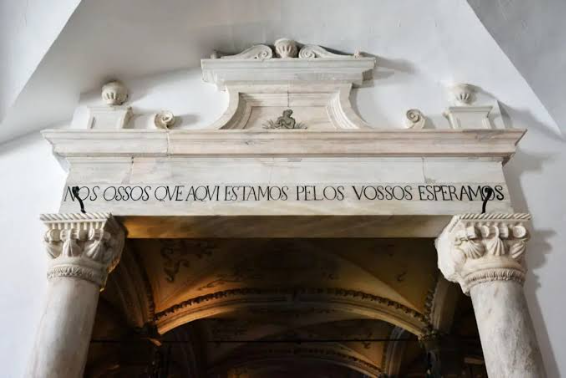
Chapel of Bones
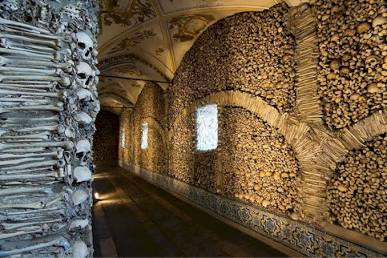
Chapel of Bones
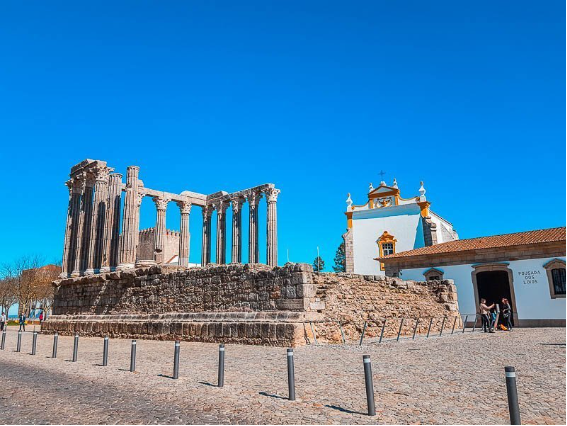
Roman Temple
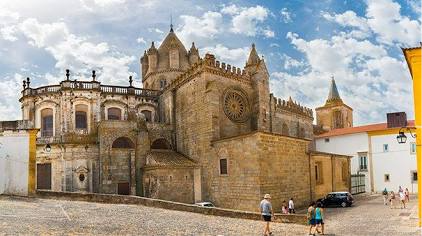
Évora Cathedral
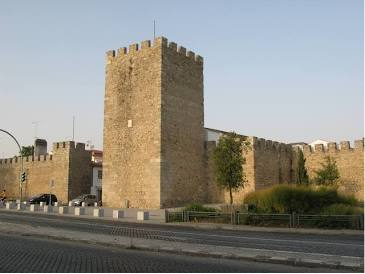
City Walls
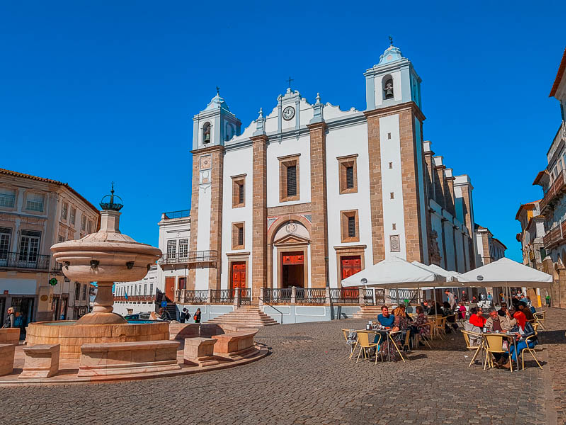
Giraldo Square
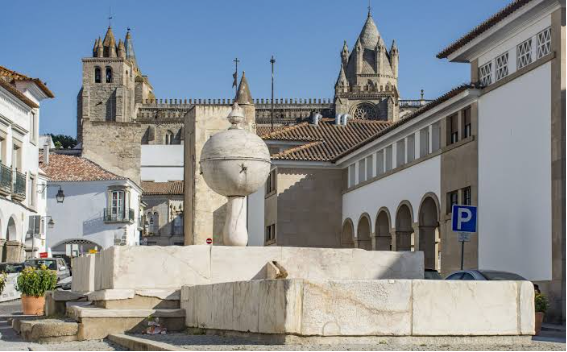
Portas de Moura
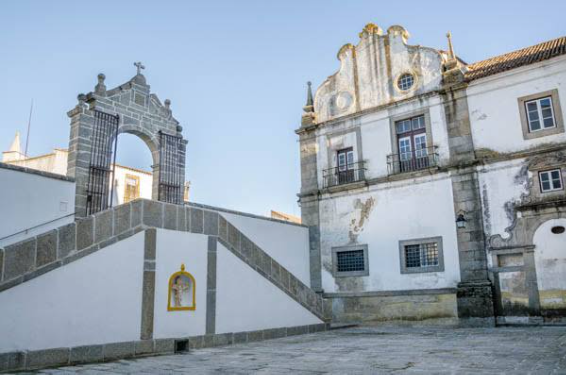
Convent of Our Lady of Mount Carmel
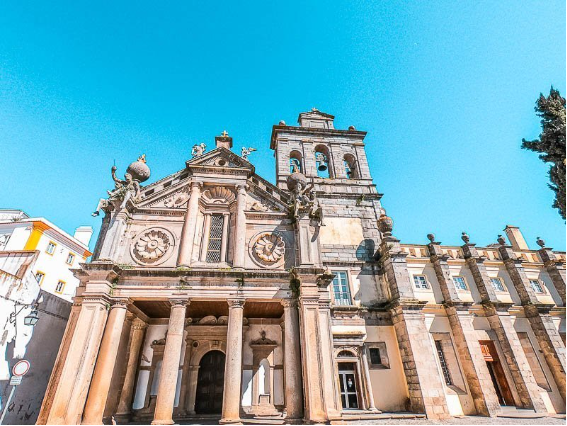
Church of Grace
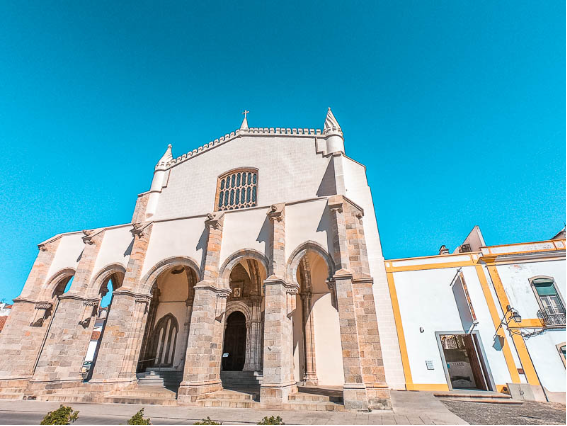
Church of Saint Francis
Book your tour now
Enjoy a comfortable, safe and personalized experience, accompanied by professional drivers who know the region well.