SETÚBAL
Setúbal is one of Portugal's districts. It has been inhabited since ancient times by the Phoenicians and Romans, who settled on the southern bank of the Sado River (in Tróia, opposite the present-day city). The settlement was then known as Cetóbriga. The Romans introduced one of the region's oldest traditions: salt production and food preservation in salting tanks, whose remains can still be seen in the Tróia Peninsula.
Setúbal has always been closely linked to maritime activities thanks to its location at the mouth of the Sado River, becoming one of Portugal's main ports by the 14th century. Today, it is still well known for its traditional fishing and excellent seafood restaurants.
The city is also the birthplace of important Portuguese cultural figures, including the poet Bocage and the opera singer Luísa Todi.
Among its most remarkable monuments are the Convent of Jesus, built in the Manueline Gothic style, and the Fort of São Filipe, now converted into a historic hotel overlooking the city, the Sado River, Tróia and the Arrábida Mountains.
Another important landmark is Palmela Castle, originally occupied by the Moors, conquered by King Afonso Henriques in 1147 and permanently recovered by King Sancho I.
The region is also home to outstanding natural landscapes, including the Sado Estuary Nature Reserve, where wild dolphins can be seen, the Arrábida Natural Park, and beautiful beaches such as Figueirinha, Galápos, Galapinhos, Portinho da Arrábida and the Tróia Peninsula.
Points of Interest
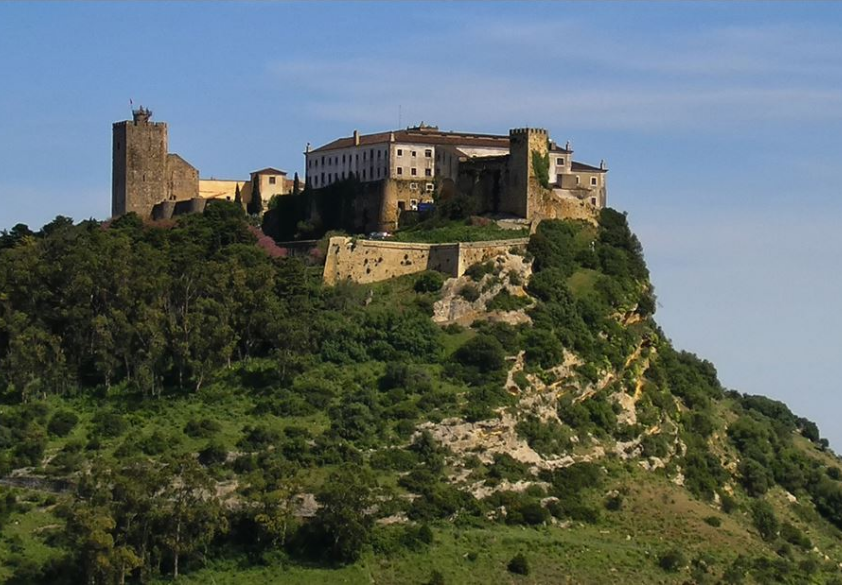
Castelo de Palmela
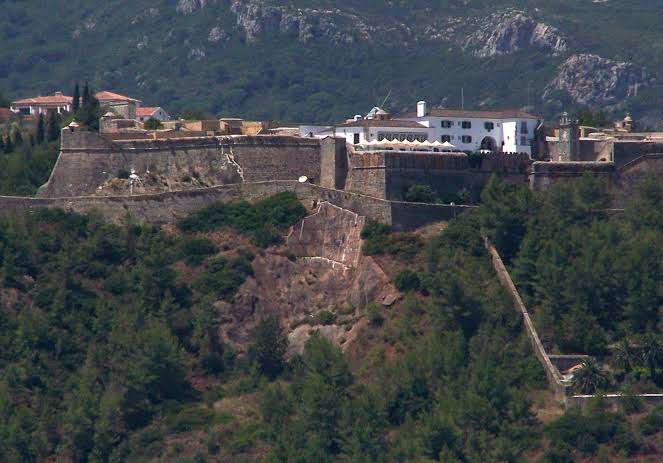
Forte de São Filipe
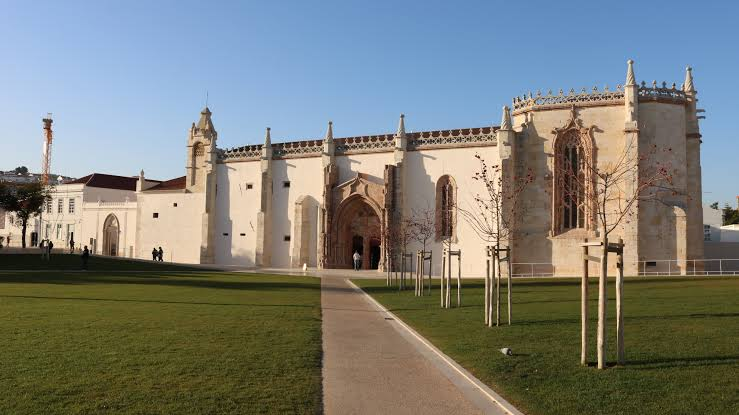
Convento de Jesus
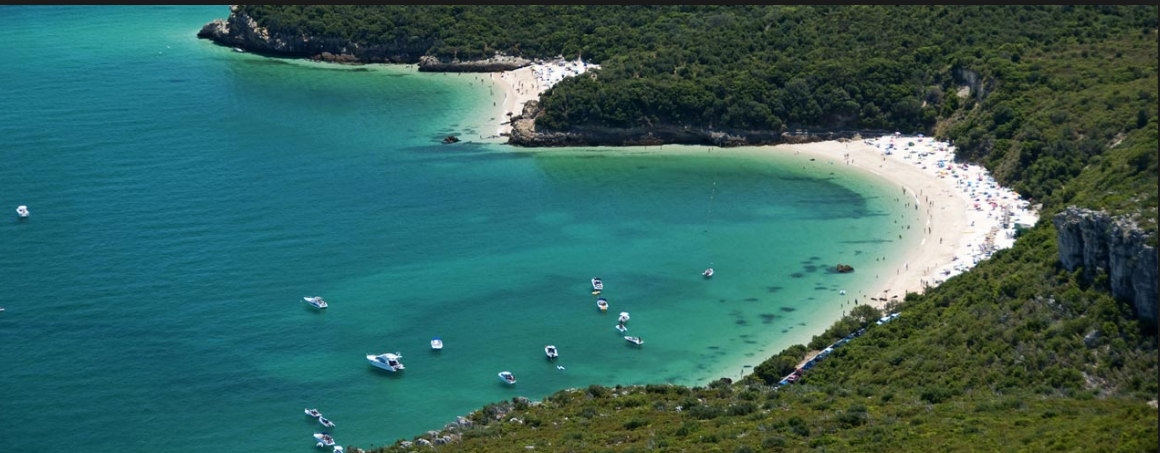
Praia Galapinhos
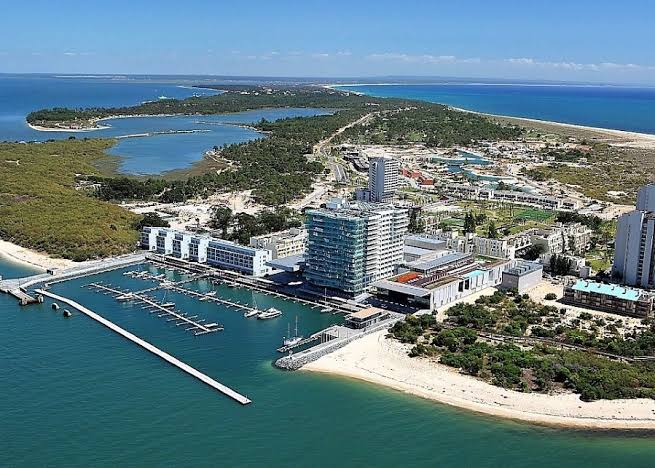
Tróia
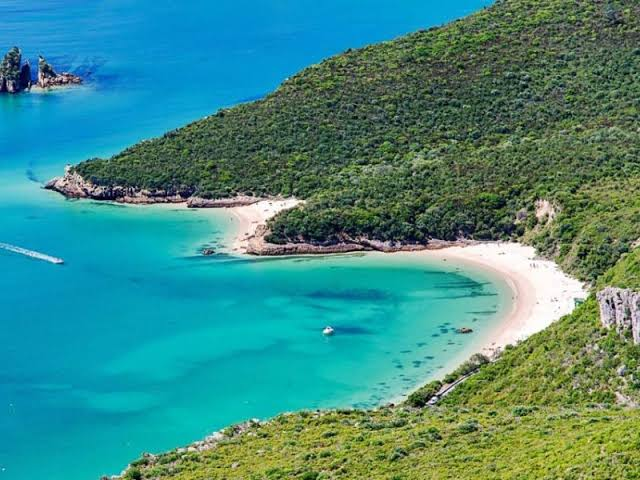
Portinho da Arrábida
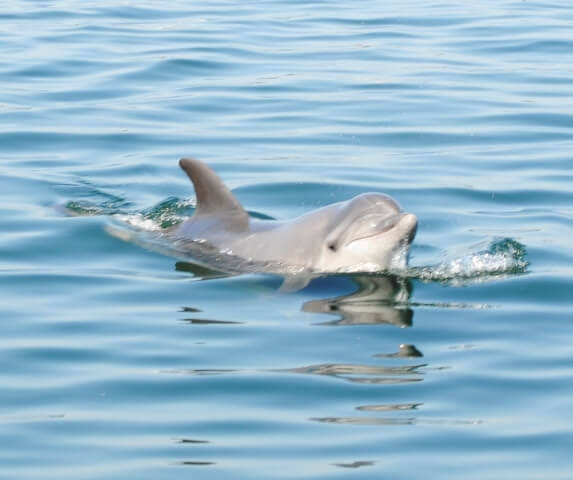
Golfinhos no rio Sado
Book your tour now
Enjoy a comfortable, safe and personalized experience, accompanied by professional drivers who know the region well.